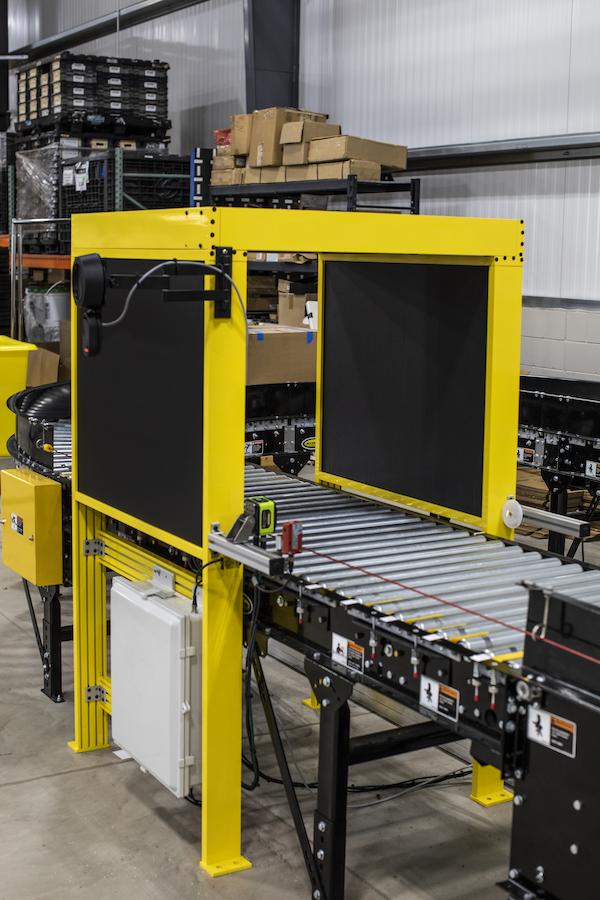
Before implementing RFID technology, we verify it will work correctly in your facilities.
This helps avoid unnecessary investment before you are confident the technology will meet expectations.

We define the optimal configuration parameters to ensure system efficiency.

We identify conflict points that could cause read errors and affect data quality in your processes.

We define the requirements your RFID tags or RFID labels must meet.

We analyze how the technology impacts process execution.
Have you implemented RFID technology based on expectations that were subsequently not met?
- Read performance lower than expected.
- RFID tag/label costs higher than initially aniticipated.
- RFID tag/label performance is not as expected: adhesion issues, inability to withstand certain processes...
- Not all the process implications of the technology have been identified.
Based on our experience implementing RFID solutions across different sectors, we can help you to:

Validate that the installed hardware performance, configuration and architecture are optimal.

Verify that your RFID tags and labels meet the project requirements, both commercially and technically.

If they do not, we will propose alternatives for both the hardware and the RFID tags or labels.
Not all RFID tags and labels are suitable for every environment. Before selecting an RFID tags we need to consider several factors:

Item characteristics: material/composition, contents, dimensions, available bonding surface.

Environmental conditions: humidity, maximum operating temperature, presence of metals/liquids, exposure to washing processes.

Read conditions: read range, number of tags/labels read simultaneously, transit speed, the carrier used to move it...

Application/industry requirements: adhesive type, chip memory capacity, impact resistance, reusable or single-use, etc.